


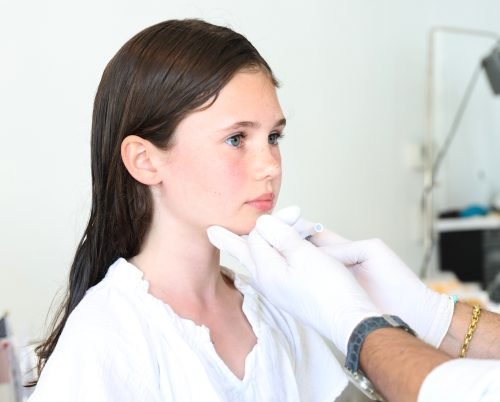
Pain Free Ear Piercing
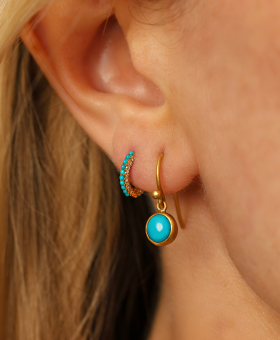
Are you looking for a pain-free and worry-free ear piercing experience? David’s Customers rave about their high-quality experience, and value his professionalism and expertise.

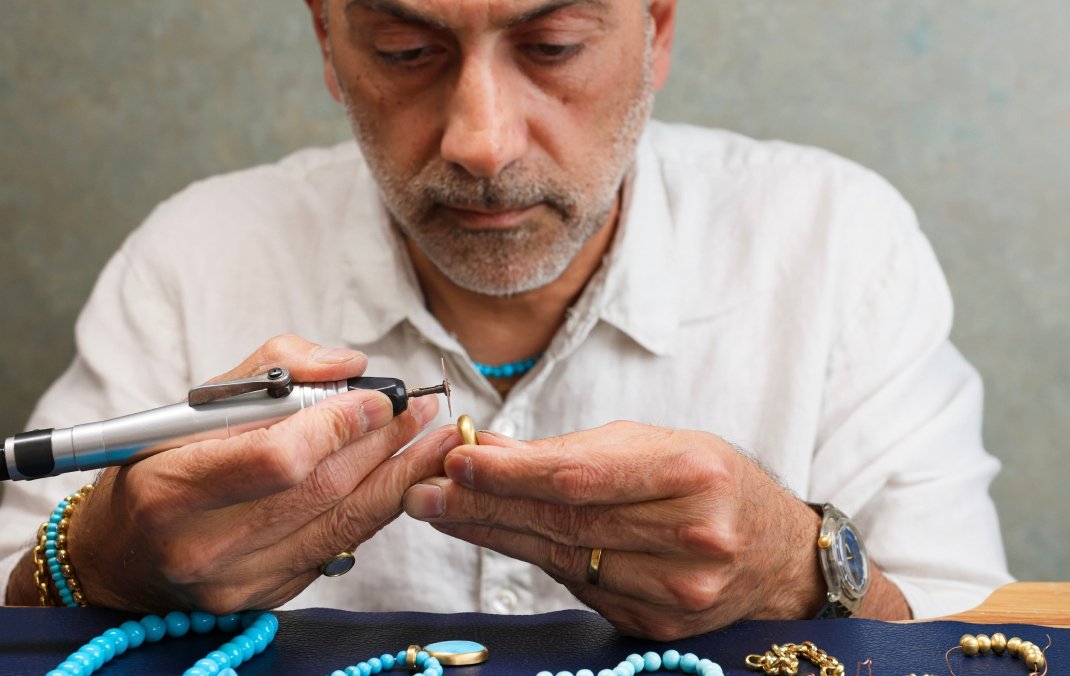
Watch & Jewelry Repair
Do you have a watch or jewelry that needs to be repaired? Bent prongs on a ring or dents on the metal can be easily fixed. Bring your precious jewelry to David & he will take care of the jewelry & your worries.

Wow is all I can say! My husband bought me a sapphire and platinum ring designed and made by David Tishbi! The quality of the stones and the workmanship is simply outstanding. I absolutely love love love it!!!

I cannot say enough great things about this place. I've bought 2 pieces from here and the compliments never stop. I would call this unique store an LA treasure!!
I am a born and raised Palisadian and went to Mr. Tishby for a very important piece of jewelry. He was so kind and accommodating with my request and was extremely communicative throughout the whole process. The ring came out better than had ever hoped for and I’m so glad I met him! Tishby is the epitome of why you should “shop local”!

David is one of the best designers & jewelers I know. I bought a gold chain from his shop, and everyday I still get compliments on it. It makes me feel special, confident & David was kind enough to give me a discount! It's truly a treasure shop in LA, take your family & invest in some memorable heirlooms that you'll cherish forever.

Amazing place for your needs! You can do here custom jewerly or repair. Owner is always at the store to serve all of your needs. Thank you, David

I love David Tishbi jewelry! I can trust the genuine quality in both choices in the store and the custom pieces he has made for me. He is very personable and gets to know you as a customer and your personal and gift needs. He is also dependable on repairing old treasured pieces from my collection.